1. Project Overview
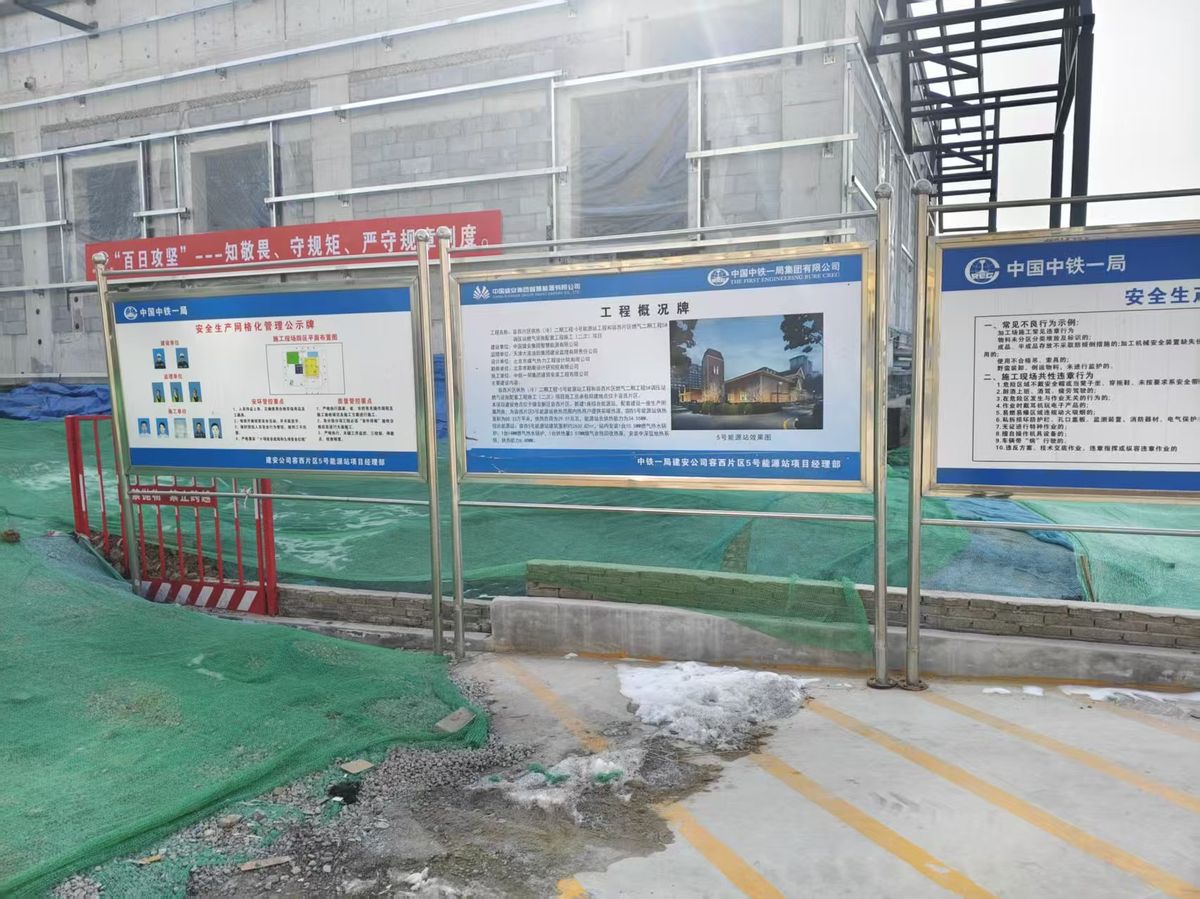
This project is a key green and smart municipal energy benchmark project in Xiongan New Area, general-contracted by China Railway First Group Construction & Installation Engineering Co., Ltd. Located in the Rongxi area of Xiongan New Area, it serves as the core centralized energy supply hub for the area. The project has a total construction area of 4,268.26 square meters, including the No. 5 primary energy station, auxiliary production rooms, and supporting fire protection and pipe network systems. It undertakes the task of large-scale centralized heating and cooling guarantee for the Rongxi area. Relying on a multi-energy coupling energy supply model, it aims to build a standardized energy station with low-carbon energy saving and smart management and control in the new area. The construction standards are high, the process systems are complex, and the intelligent management and control requirements are strict.
Our supply scope covers a full range of core monitoring instruments, including ultrasonic flow meters, pressure transmitters, temperature transmitters, submersible level transmitters, and gas turbine flow meters. We are responsible for the entire process of instrument equipment supply, on-site installation guidance, debugging, calibration, and joint commissioning delivery, ensuring the accurate and stable operation of the energy station’s process systems.
2. Project Challenges
This energy station is a smart centralized energy supply site. The heat and cold exchange, water circulation, heat exchange units, and pipe network delivery systems are complex. There are several core pain points in project construction and operation and maintenance:
- Traditional manual monitoring has low accuracy and lagging data, unable to capture real-time fluctuations in temperature and pressure parameters.
- The flow, pressure, and temperature parameters of hot and cold media fluctuate greatly, lacking refined real-time monitoring means.
- The lack of monitoring at various process nodes easily leads to low heat exchange efficiency, high energy consumption, and major hidden dangers in pipe network operation.
- The new area’s smart energy management and control platform has extremely high requirements for data collection accuracy, transmission stability, and equipment compatibility. Ordinary instruments cannot meet the high-standard smart operation and maintenance requirements, directly affecting the stability of energy supply and energy-saving effects in the area.
In response to the core needs of smart energy supply, precise energy saving, and stable operation and maintenance of this project, our company customized a complete set of high-precision instrumentation solutions adapted to the combined cooling and heating conditions, precisely solving the various construction pain points of the project.
3. Customized Solutions
Temperature and Pressure Monitoring Instruments: Solving the problems of uncaptured real-time condition fluctuations and low heat exchange efficiency
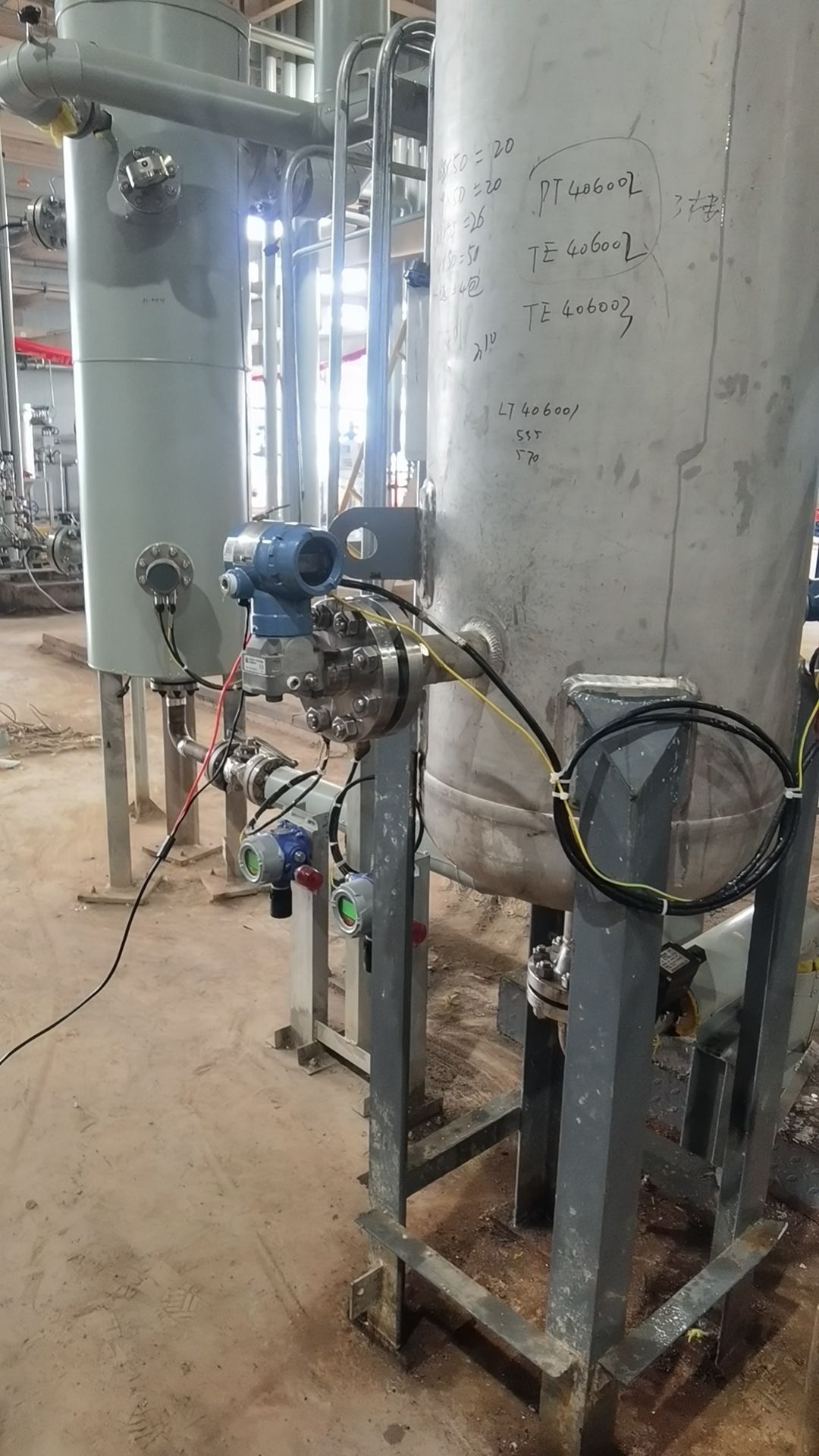
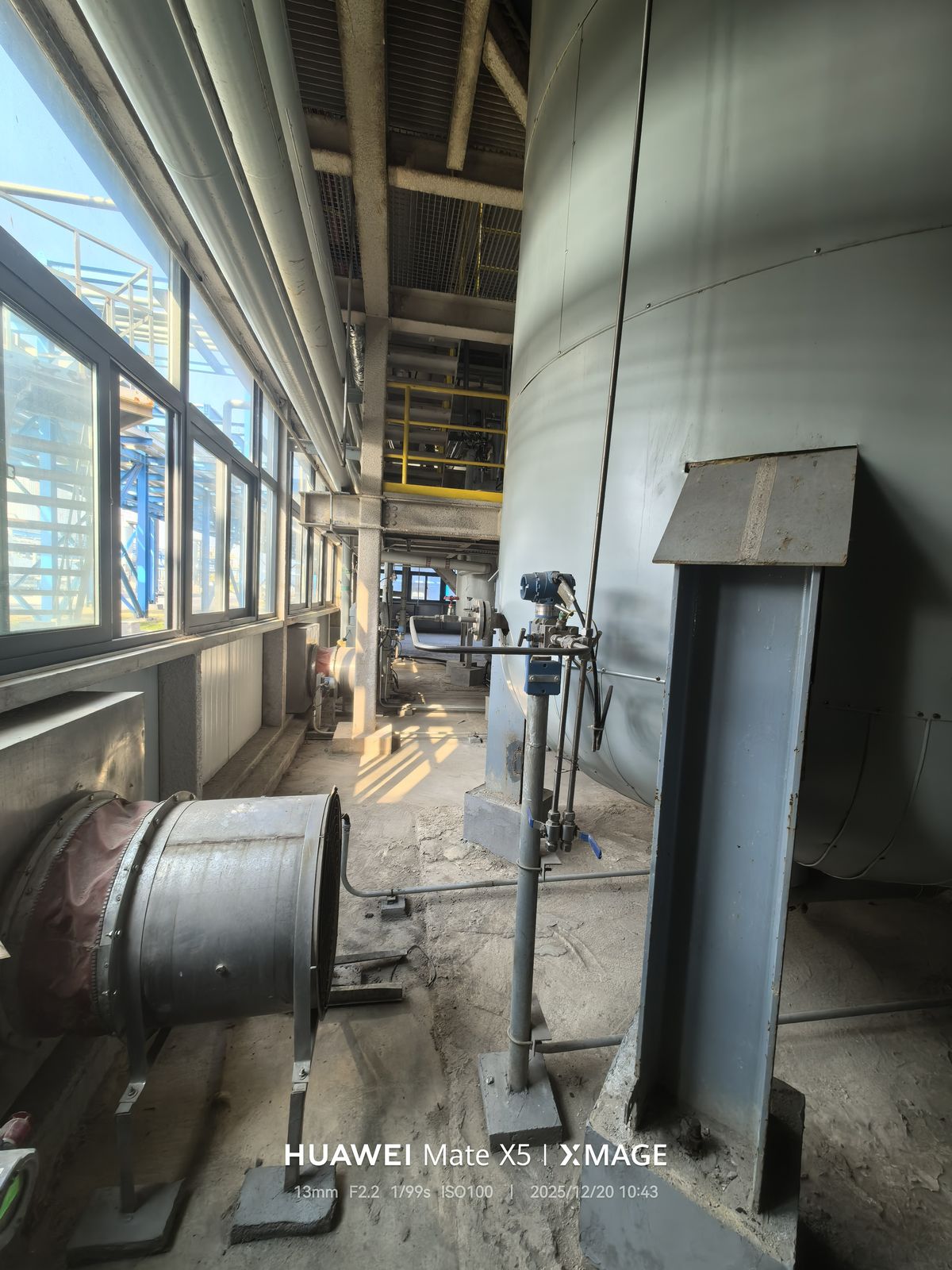
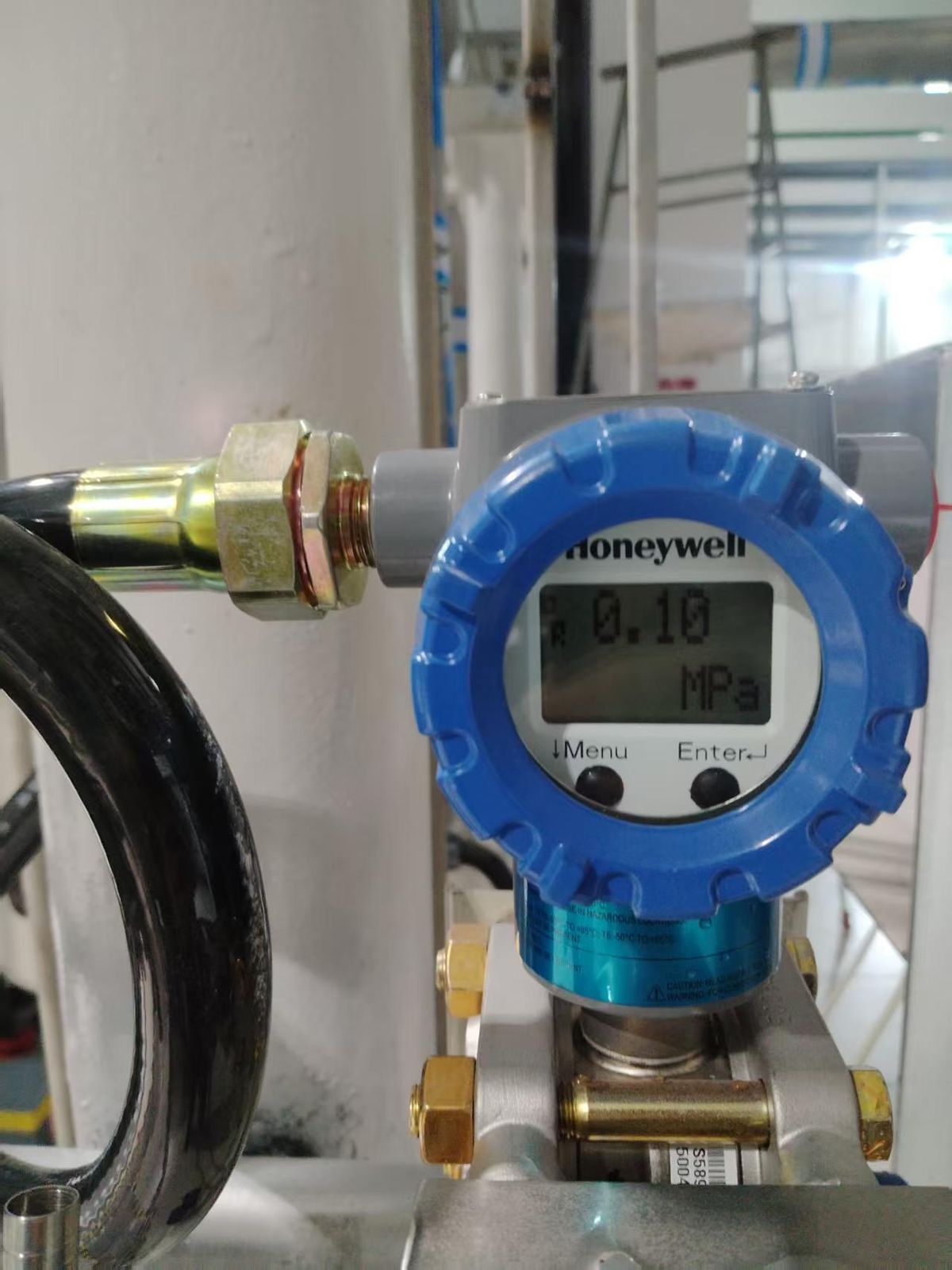
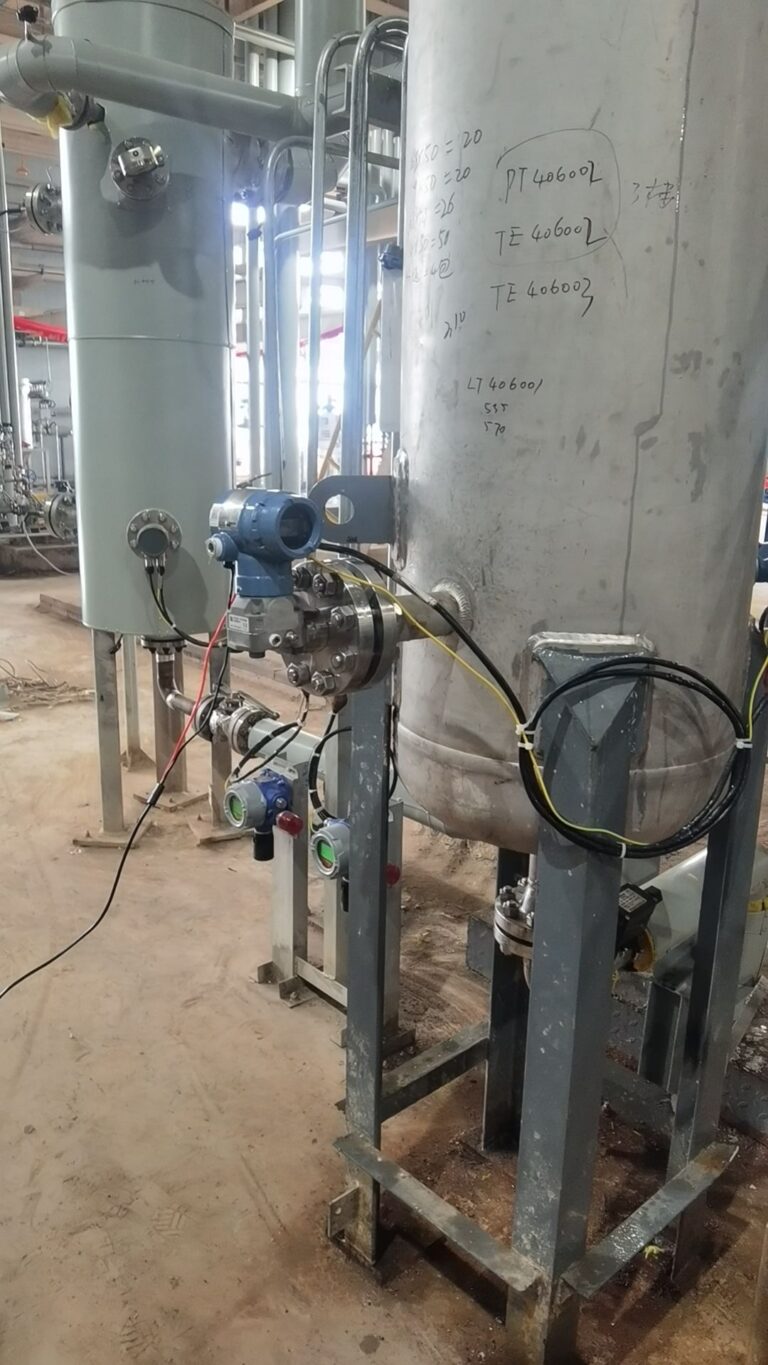
High-precision pressure transmitters and temperature transmitters are deployed at all nodes, including the inlet and outlet of the energy station’s heat exchange units, main pipe networks, branch pipelines, and hot/cold media pipelines. They provide 24-hour real-time monitoring of core parameters such as supply and return water temperature, system pressure, and differential pressure.
- The temperature transmitter uses high-precision sensing elements, with a temperature measurement error of ≤±0.2℃ and a response time of ≤1s.
- The pressure transmitter supports wide-range coverage, with strong impact and interference resistance, adapting to the complex working conditions of the energy station.
- It achieves real-time tracking of all parameters during the heat and cold exchange process, precisely regulates the operating load of the heat exchange unit, fundamentally solves the problems of large condition fluctuations and unstable heat exchange efficiency, and ensures balanced and stable energy supply quality.
Flow Instruments: Solving the problems of vague hot/cold media flow management and inaccurate energy consumption statistics
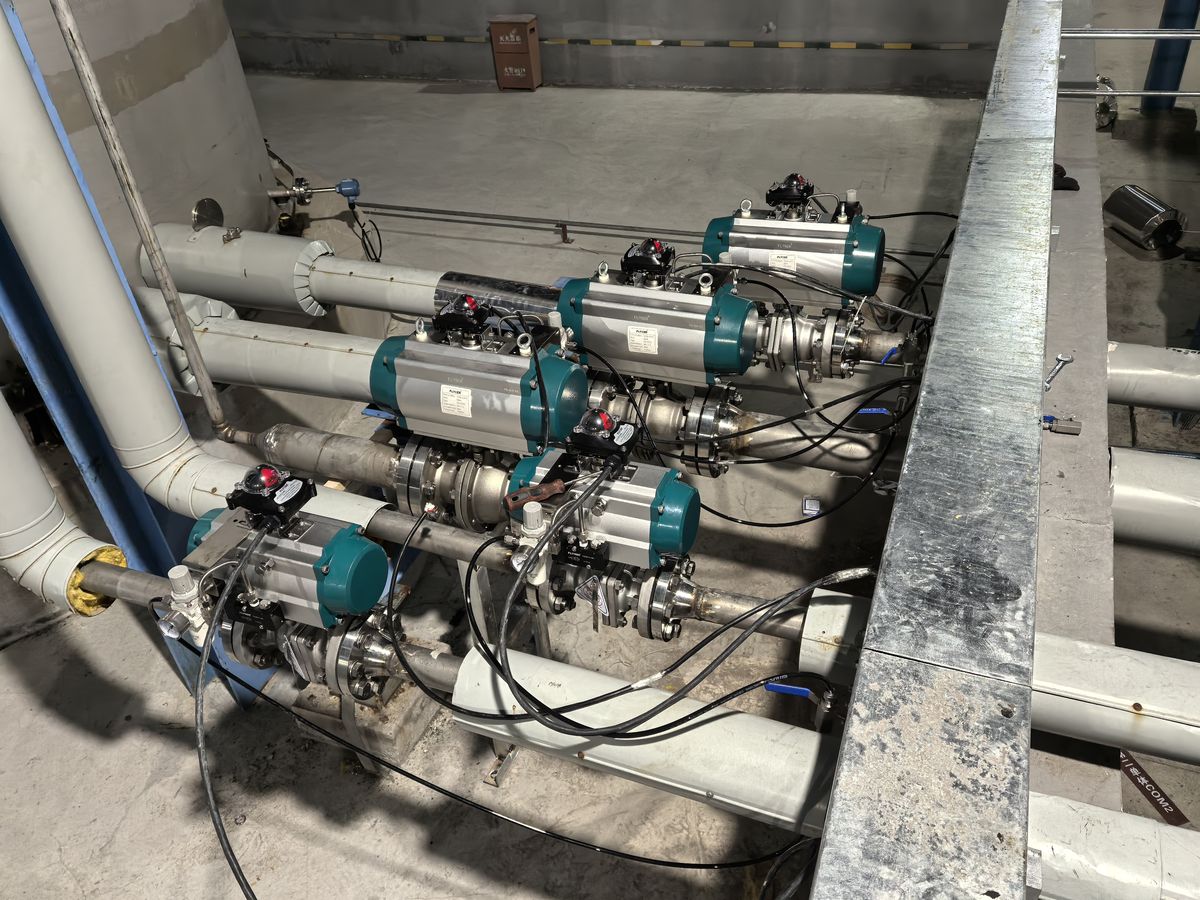
Ultrasonic flow meters, electromagnetic flow meters, vortex flow meters, and gas turbine flow meters are installed at the main supply and return pipe networks, branch heat exchange pipelines, and gas metering nodes, respectively, to accurately measure the delivery flow of hot/cold media and gas.
- Ultrasonic flow meter: Suitable for large-diameter main pipe networks, non-contact measurement, does not affect pipeline flow patterns, metering accuracy of 0.5 level, achieving precise metering of the total flow of the main pipe network.
- Electromagnetic flow meter: Adapts to the measurement of hot and cold media water, with strong anti-interference ability, stably metering the flow of circulating water and make-up water pipelines.
- Gas turbine flow meter: Accurately measures gas consumption, providing reliable data support for the energy station’s energy consumption accounting.
This completely solves the industry pain points of estimated flow data, vague energy consumption statistics, and unbalanced supply and demand ratios in previous energy stations, achieving precise quantification of energy supply flow and precise statistics of energy consumption by household and zone, and assisting in the refined energy-saving management and control of the energy station.
Level/Water Quality Supporting Instruments: Solving the problems of equipment operation hazards and inability to give timely early warning
Submersible level transmitters and supporting water quality monitoring instruments are deployed in softened water equipment, make-up water tanks, fire water pools, and circulating water systems to monitor equipment water levels and circulating water quality status in real time.
- The submersible level transmitter uses the hydrostatic measurement principle, with an IP68 waterproof rating, operating stably under long-term immersion, and a level measurement accuracy of 0.5%FS.
- It supports automatic alarms for high and low liquid levels, effectively avoiding problems such as scaling of heat exchange equipment and pipeline loss caused by water tank overflow, water shortage, or substandard water quality, predicting equipment operation hazards in advance, and ensuring the safe, stable, and long-term operation of the entire hot and cold circulation system.
Smart Transmission and Acquisition System: Solving the problems of data incompatibility and poor connection with smart platforms
The full range of instruments (pressure transmitters, temperature transmitters, various flow meters, level transmitters) all support standard Modbus industrial communication protocols, natively adapting to the data interface of the Xiongan Smart Energy Management and Control Platform, enabling real-time data upload, remote acquisition, and centralized aggregation.
- All instrument parameters are uniformly connected to the smart platform, completely solving the problems of fragmented data from traditional instruments, inability to network, and incompatibility with smart systems.
- It realizes visual, digital, and intelligent management and control of all process parameters in the energy station, providing complete data support for the platform’s smart dispatching, energy consumption analysis, and fault early warning.
4. Project Implementation Results
After our complete set of instrumentation equipment was stably put into operation, it comprehensively solved the core pain points of the project, such as lagging monitoring, rough management and control, high energy consumption, and disconnected data. The project results are remarkable:
- Achieved precise monitoring of all processes: There are no monitoring blind spots in the entire process of heat exchange, circulation, and energy supply and distribution in the energy station. The data collection of pressure transmitters, temperature transmitters, various flow meters, and level transmitters is precise, responsive, and 100% accurate, completely eliminating the problems of missed and false manual monitoring, and ensuring a stable and balanced hot and cold supply condition.
- Significantly optimized energy-saving effects: Relying on the precise real-time data of ultrasonic flow meters and temperature/pressure transmitters, intelligent adjustment of unit load and precise matching of hot and cold supply and demand are achieved, effectively reducing equipment energy consumption and pipe network loss by more than 15%, helping the project meet the low-carbon and green construction standards of Xiongan New Area.
- Improved smart operation and maintenance level: All instrument data are seamlessly docked with the smart energy management and control platform, achieving remote monitoring and automatic abnormal early warning. Submersible level transmitters and pressure transmitters can achieve second-level alarms for water level over-limit and pressure abnormalities. Equipment faults and pipe network hazards can be quickly located, increasing operation and maintenance efficiency by more than 60%, and ensuring stable cooling and heating supply for the area throughout the year.
- Excellent project performance evaluation: The entire series of instrument equipment operates stably, calibrates accurately, and has strong compatibility. It successfully passed the completion acceptance and system joint commissioning, perfectly matching the high-standard smart construction requirements of the project, and was highly recognized by the general contractor China Railway First Group and the owner unit.