Wireless IoT Monitoring RFQ Guide for Remote Water Networks
Quick Answer
Overseas buyers sourcing wireless IoT monitoring instruments from China should prepare an RFQ around measurement points, not only product names. Send the number of pressure, temperature, level and flow points, installation locations, medium, range, power restrictions, wireless network conditions, platform requirements, reporting frequency expectations and enclosure environment. This helps WELK Meters check whether wireless pressure, temperature, level or flow devices are suitable for the remote water, utility or industrial monitoring project.
Why Wireless Telemetry RFQs Need More Context
Wireless instruments are different from standard field instruments. A wired pressure transmitter or level meter can often be quoted from the measuring range, process connection and output signal. A wireless telemetry project also depends on site distribution, signal coverage, data platform, power strategy, inspection interval and installation risk. If these details are missing, suppliers may quote a device that looks correct on paper but does not fit the field network.
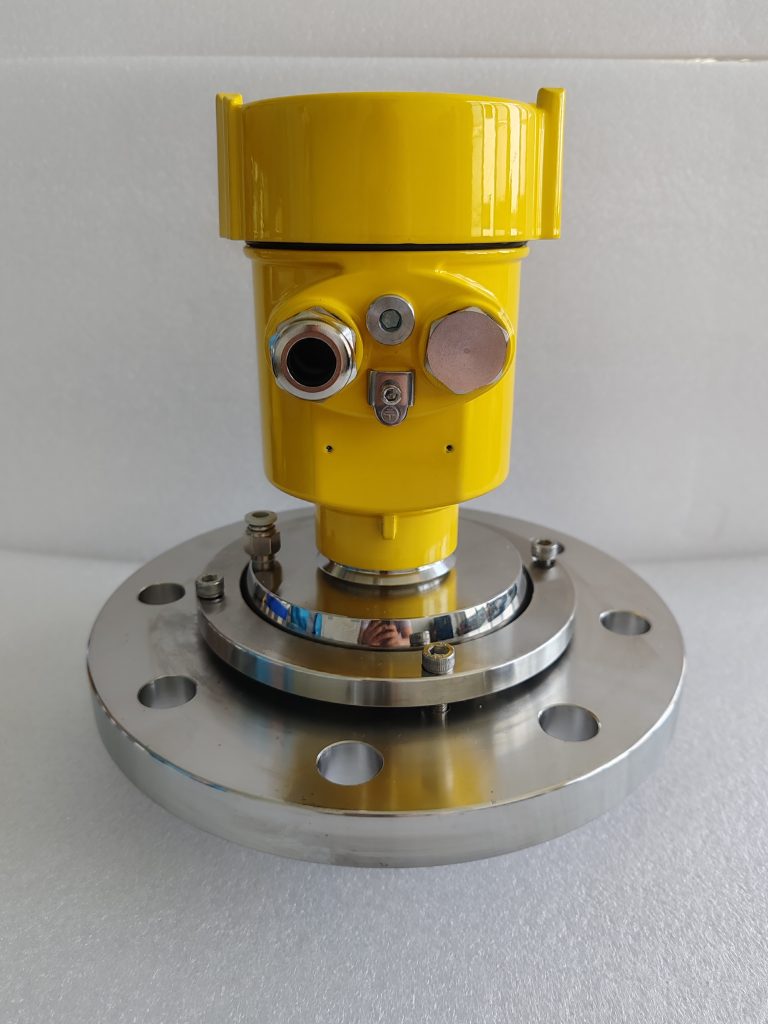
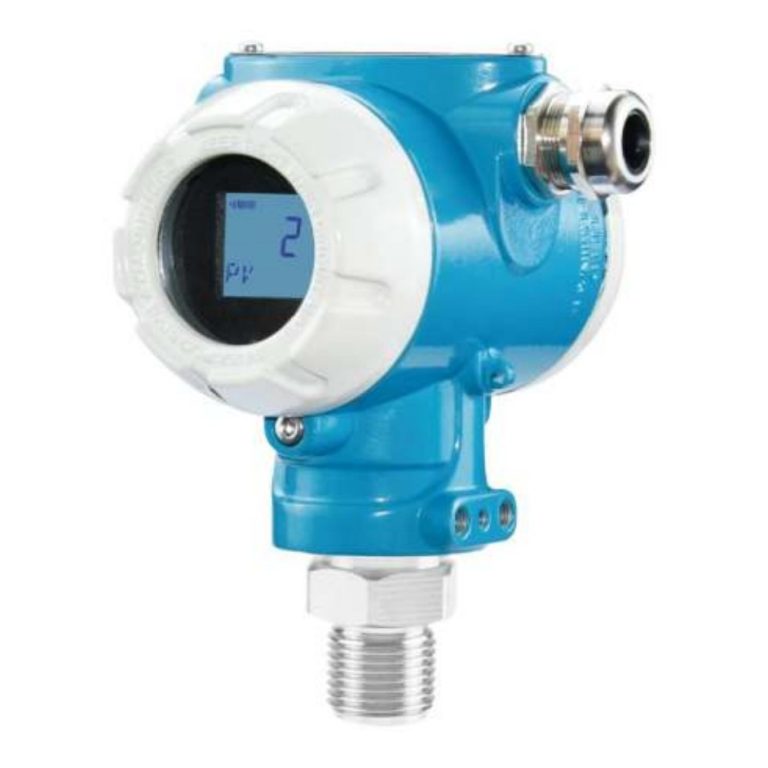
The WELK wireless NB-IoT monitoring series covers pressure, temperature, level and flow devices with integrated wireless antenna transmission. The product page positions the series as smart IoT terminal hardware for remote monitoring, with custom control logic confirmed per project. That means the RFQ should describe the project architecture before asking for a final quotation.
Start With Measurement Points, Not a Single Model
For a remote water network, reservoir, pump station, wastewater site or distributed utility system, the first RFQ question is: what points need to be monitored? Buyers should list each point separately instead of sending one general inquiry. This allows the supplier to separate pressure monitoring, level monitoring, temperature monitoring and flow monitoring requirements.
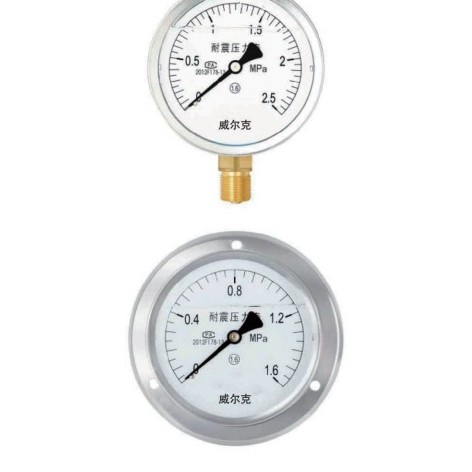
A practical point list should include the site name, measurement type, expected range, medium, mounting position, enclosure environment and whether signal cabling is practical. If some sites already have existing gauges or transmitters, send photos and nameplate information. If there is no existing instrument, send drawings or basic site dimensions. Buyers can review WELK’s broader industrial measurement instruments catalog when a project combines wireless telemetry with standard pressure, level, flow or temperature devices.
RFQ Table for Wireless Monitoring Projects
The table below can be used by importers, EPC teams, distributors and municipal project buyers before requesting a quote through the WELK Meters contact page.
| RFQ Field | What to Send | Why It Matters |
|---|---|---|
| Measurement points | Number of pressure, temperature, level and flow points | Defines device quantity and project structure |
| Application | Water network, pump station, reservoir, wastewater, tank, pipeline or industrial site | Helps match instrument type and installation method |
| Range and medium | Pressure range, temperature range, liquid level, pipe size, flow range, and medium | Supports sensor and wetted-part selection |
| Wireless conditions | Local NB-IoT or wireless network availability, site coverage notes, underground or indoor conditions | Reduces communication mismatch risk |
| Power strategy | Battery-powered expectation, external power possibility, reading interval requirement | Supports configuration discussion before quotation |
| Platform requirement | Existing platform, protocol needs, alarm logic, data display or API expectation | Clarifies whether custom control logic or integration support is needed |
| Environment | Outdoor, buried chamber, flooded risk, corrosion, heat, vibration or vandalism risk | Guides enclosure, mounting and protection discussion |
Confirm Network and Platform Requirements Early
Wireless monitoring projects should never assume that every field point has the same communication condition. A chamber under a road, a remote reservoir and a treatment plant control room may all need different installation decisions. Before purchase, buyers should confirm whether NB-IoT or the intended wireless network is available at the installation location and whether the buyer already has a data platform.
If the buyer has an existing platform, include protocol, data format, reporting interval and alarm requirements in the RFQ. If the buyer expects the supplier to support custom control logic, describe the business rule clearly: for example high-pressure alarm, low-level alert, pump station reporting or periodic data upload. Do not treat software and communication as after-sales details. They are part of the quotation scope for a wireless telemetry project.
Select Devices by Measurement Type
The WELK wireless IoT monitoring product family includes wireless remote pressure, temperature, level and flow device types. Each point should be matched to the measurement task. A pressure point in a pipe network may need pressure range, thread connection and enclosure details. A level point may require tank depth, liquid type, cable or probe information and mounting position. A flow point needs pipe size, medium and expected flow range. A temperature point needs probe length, installation connection and temperature range.
This is why buyers should avoid asking only for “wireless monitoring device price.” A serious supplier will need to know the measurement category before recommending a configuration. For buyers comparing suppliers, the best quotation is the one that clearly maps each site point to an instrument type, configuration assumption and open question.
How Distributors and EPC Buyers Can Reduce Procurement Risk
Wireless IoT instruments are often bought as part of a larger project. The procurement team may not be the same team that manages field installation or platform integration. To reduce risk, collect information from engineering, IT/SCADA and site maintenance before sending the RFQ.
- Prepare a measurement point schedule before asking for price.
- Mark which sites have power and which sites need battery-powered operation.
- Confirm local network coverage with the operator or project owner.
- Send photos of chambers, tanks, pipes, panels and existing instruments.
- Ask the supplier to state configuration assumptions in the quotation.
- Confirm import documents, HS code and customs requirements with a local broker.
WELK’s IoT and wireless telemetry category is most useful when the buyer already knows the point list and can explain the monitoring goal.
Sample Order and Pilot Site Strategy
For a first wireless telemetry purchase, a pilot site is usually more useful than a blind bulk order. Select a representative site with typical network conditions, installation environment and measurement range. Test the device against the reporting interval, platform display and maintenance expectations before confirming a larger order.
If the project is for resale or private-label distribution, include branding, documentation, packaging and support expectations in the first RFQ. WELK Meters states that OEM/ODM and private-label projects are accepted from small volumes, but the exact scope should be confirmed before purchase. Buyers should also confirm final specifications, materials, communication details, pricing, stock and lead time directly with WELK Meters before ordering.
FAQ
What should I send first for a wireless monitoring RFQ?
Send a measurement point list with the type of measurement, range, medium, installation location, network condition, power condition and platform requirement for each point.
Can one wireless device measure pressure, level, temperature and flow?
The WELK wireless series covers these measurement types as a product family. Buyers should specify which device type is needed for each point rather than assuming one device covers all measurements.
Do I need to confirm NB-IoT coverage before ordering?
Yes. Network availability and site coverage should be checked by the buyer, project owner or local operator before bulk purchase. Underground, indoor or remote sites may need special attention.
Can WELK Meters support custom control logic?
The WELK product page states that custom control logic is supported for the wireless IoT monitoring series. Buyers should describe alarm rules, reporting intervals and platform needs in the RFQ.
Is a sample order recommended?
For new projects, a sample or pilot site is recommended before a larger order. It allows the buyer to confirm measurement, installation, communication and platform behavior in real conditions.
Send a Wireless Monitoring RFQ to WELK Meters
If you are sourcing wireless pressure, temperature, level or flow monitoring instruments from China, prepare a point list, site photos, measurement ranges, medium details, network notes, power expectations and platform requirements before requesting a quote. WELK Meters can review the project and propose a matched configuration. Send your RFQ through the contact page for a technical response.
Disclaimer: Instrument specifications, certifications, materials, prices, stock status and lead times must be confirmed with WELK Meters before ordering. Any third-party brand names, standards or model references are used only for application or compatibility identification unless otherwise stated.