Pressure Transmitter Sample Order Checklist for Overseas Distributors and OEM Buyers
Quick answer:Before you approve a bulk pressure transmitter order, ask the supplier to build one sample against your actual process conditions, then verify range, process connection, output signal, labeling, documents, and packaging. A disciplined sample-order process helps distributors, OEM buyers, and EPC teams catch specification gaps before they become a larger purchasing problem.
For overseas buyers sourcing from China, the sample stage is also a supplier test. It shows whether the factory understands your RFQ, installation point, and documentation needs before repeat orders.
WELK Meters manufacturespressure transmittersfor gauge, absolute, and differential pressure measurement, and supports OEM/ODM projects from small volumes. If your team is preparing a first sample request, the checklist below keeps the process practical and procurement-focused.
1. Start the sample request with the minimum RFQ data
The best sample orders begin with complete process information. If the supplier receives only a pressure range and a photo, you may get a sample that works electrically but does not fit your pipework, cable standard, or application environment.
| RFQ item | What the buyer should send | Why it matters before sampling |
|---|---|---|
| Pressure type | Gauge, absolute, compound, or differential | Confirms the correct sensing principle and product family |
| Range | Normal operating pressure, max pressure, and any surge risk | Prevents over-ranging or under-ranging the sample |
| Process connection | Thread or flange standard such as M20x1.5, G1/2, or 1/2 NPT | Avoids installation mismatch at the test site |
| Output and power | 4-20 mA, HART, RS485, voltage output, and supply voltage | Ensures the sample can be connected to your PLC, DCS, or panel |
| Medium and temperature | Water, air, oil, steam, corrosive media, plus operating temperature | Determines wetted materials and whether a diaphragm seal is needed |
| Mounting environment | Indoor, outdoor, vibration, washdown, hazardous area, or sanitary duty | Helps confirm housing, ingress protection, and Ex requirements |
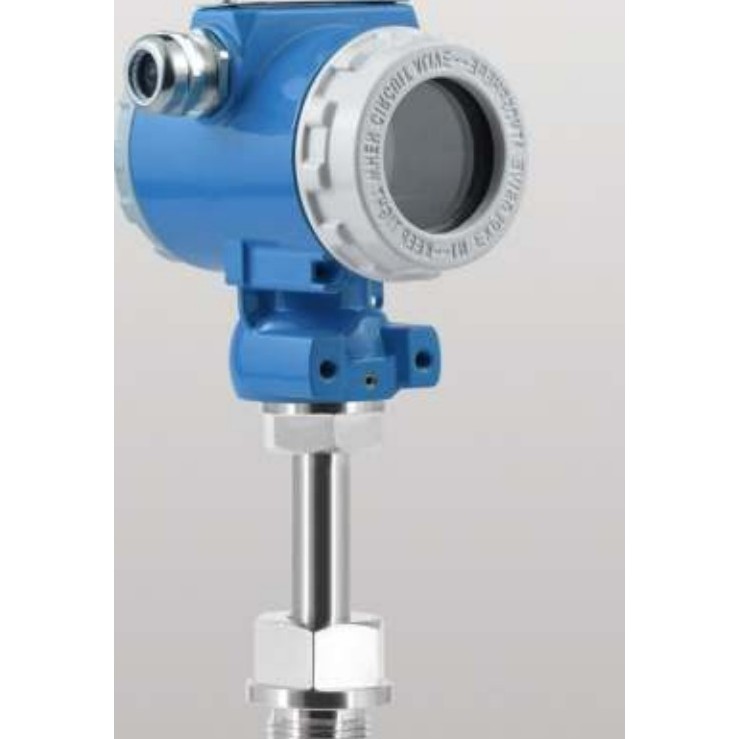
If you are still comparing models, start from the fullproduct catalogand then narrow the sample request to one application. For common pump, pipeline, and network monitoring duties, theTY812 2088 compact pressure transmitteris one of WELK Meters’ standard sample candidates.
2. Choose the right sample objective before you ask for a quote
Not every sample order has the same purpose. Some buyers only need a fit-and-function check. Others need to validate a private-label configuration or a difficult process connection. State the sample objective clearly so the supplier does not optimize for the wrong thing.
- Technical fit test:Confirm range, output, process connection, and installation dimensions.
- Application risk test:Validate performance in vibration, high temperature, corrosive media, or outdoor service.
- Documentation test:Check whether manuals, labels, and calibration records match your internal approval process.
- OEM/ODM test:Confirm logo plate, packaging, barcode, or model-code requirements before mass production.
Buyers often save time by asking the supplier to recommend both a standard sample and, if needed, an upgraded alternative. For example, a general utility project may start with a compact pressure transmitter, while a more demanding flow, filter, or vessel application may require aTY813 differential pressure transmitteror a seal-type model.
3. Check mechanical and electrical details that commonly delay approval
Many sample failures are not caused by sensor quality. They happen because one small detail was assumed instead of confirmed. Before the sample ships, send the supplier a simple approval list and ask them to confirm each point in writing.
- Process connection standard and thread gender
- Cable entry, connector, or wiring method
- Output signal and loop power requirement
- Display requirement, if local indication is needed
- Housing material and ingress protection for the installation point
- Nameplate language, tag number, and buyer part number
- Any accessories needed for commissioning, such as brackets or seals
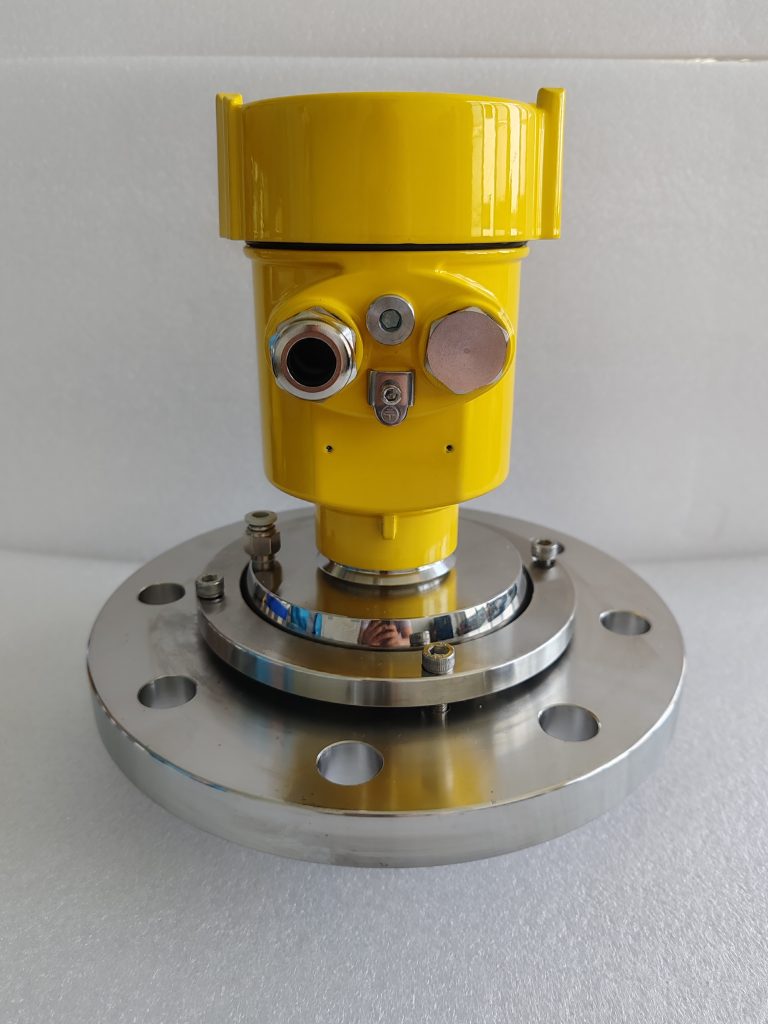
If the medium is viscous, crystallizing, sanitary, or corrosive, ask whether adiaphragm-seal pressure transmitteris more suitable than a direct pressure port. That decision should happen during the sample stage, not after the bulk PO is released.
4. Use the sample stage to verify supplier execution, not just the instrument
A good sample order should tell you whether the supplier can support repeat business. Treat the sample like a rehearsal for the production order.
| Supplier checkpoint | What to review | Procurement value |
|---|---|---|
| Quotation response | Was the offer based on your actual application details? | Shows whether engineers are reviewing inquiries properly |
| Drawing or confirmation sheet | Did the supplier restate the selected model, range, connection, and output? | Reduces risk of misunderstanding in bulk orders |
| Documentation | Manual, calibration record, packing list, and product identification | Helps distributors and OEM buyers standardize incoming inspection |
| Customization control | Nameplate, label, logo, or packaging changes if requested | Tests OEM/ODM readiness before volume purchasing |
| Communication speed | How quickly questions and revisions are handled | Predicts reorder efficiency and after-sales support |
WELK Meters states on its website that every inquiry is reviewed by an engineer and answered within 24 hours, with OEM/ODM support and small-MOQ export supply available from its factory-direct model. The sample process is where a buyer can verify how that support works in practice.
5. Define the pass/fail criteria before the sample arrives
Buyers lose time when the sample arrives but nobody has agreed on the approval standard. Before shipment, align your purchasing, engineering, and maintenance teams on what counts as a pass.
- The transmitter installs without thread or adapter rework.
- The output matches the receiving instrument or control system.
- The model code, range, and tag data match the approved RFQ sheet.
- The enclosure and materials suit the actual environment.
- The required documents arrive with the sample or by email.
- The supplier can revise small issues without restarting the entire quotation process.
For OEM buyers, add packaging and labeling approval. For distributors, check reorder consistency under one internal item code.
6. What to send when you are ready to move from sample to bulk order
Once the sample is approved, do not move to a bulk PO using only the original email chain. Freeze the final commercial and technical information in one clear order summary.
Your bulk-order package should include the approved sample model, final range, connection, output, quantity by model, labeling rules, documentation requirements, and shipping term to be quoted. If you need multiple versions, list them line by line rather than saying “same as sample with minor changes.” That phrase creates avoidable purchasing risk.
When you are ready, send the final summary through theWELK Meters contact pageor attach your RFQ sheet to request the production quotation. A structured handoff from sample to bulk order usually shortens both quotation revisions and incoming inspection later.
FAQ
Should I request one sample or several pressure transmitter variants?
If the bulk project includes different process connections, outputs, or media conditions, it is often better to sample the highest-risk variant first. That gives you the most useful approval result before expanding to other versions.
What information is most often missing from a pressure transmitter sample inquiry?
Process connection standard, output signal, power supply, medium temperature, and tag or nameplate requirements are the most common omissions. Missing any of these can delay approval even when the sensor itself is correct.
Can a sample order also cover OEM or private-label requirements?
Yes. The sample stage is the right time to verify custom labels, buyer model codes, packaging, and logo-plate details before a production order is released.
When should I ask for a diaphragm-seal version instead of a compact transmitter?
Ask that question when the medium is corrosive, viscous, crystallizing, sanitary, or likely to block a standard pressure port. The supplier should confirm this against your medium, temperature, and process connection details.
What should I send to WELK Meters for a sample quotation?
Send your medium, pressure type, measuring range, process connection, output signal, power supply, installation environment, quantity, and any drawing or photo of the mounting point. That is usually enough for an engineer to recommend a suitable sample configuration.
Request a sample RFQ
If you are evaluating pressure transmitters for distribution, OEM supply, or a project quotation, send WELK Meters your sample checklist, application photo, and target specification. The engineering team can recommend a compact, differential, or diaphragm-seal configuration, confirm customization points, and prepare a quotation for sample approval before bulk ordering.
Instrument specifications, certifications, materials, prices, stock status and lead times must be confirmed with WELK Meters before ordering. Any third-party brand names, standards or model references are used only for application or compatibility identification unless otherwise stated.